
"Salvadoran agriculture"
300 article(s) found

Grinding scale of Cuban Crystal Mountain Coffee beans description of the flavor of the manor area
El Salvador (ElSalvador) is one of the small countries in Central America, where coffee is light, fragrant, pure, slightly sour and characterized by excellent balance of flavor. It is a specialty of Central America. With sour, bitter, sweet and other taste characteristics, the best baking degree is moderate, deep. Salvadoran Coffee-Coffee originated in the early 1990s, guerrilla warfare greatly damaged the country's national economy.

Flavor balanced Salvadoran coffee Flavor characteristics Introduction Salvadoran coffee beans Renas Trang
Salvadoran Coffee-Salvadoran Coffee Flavor: Balanced taste, excellent texture Suggestion Roasting method: Medium to deep, versatile High quality beans: Salvadoran SHB Taste characteristics: sour, bitter, sweet Mild and moderate. Salvadoran coffee is tied with Mexico and Guatemala as the producer of Asa and Meldo, and is competing with other countries for the top spot in Central America.

Flavor description of Salvadoran coffee beans introduction to the planting environment of the regional treatment method for producing varieties
The flavor of Salvadoran coffee beans describes the taste of the varieties produced in the region and the planting environment introduces the rise of the sea between the Atlantic Ocean, symbolizing the five countries of Central America. The pole of freedom and the red cap of freedom stand high on the top of the mountain, radiating the light of freedom and liberation. Jin Guangzhong September 15, 1821 was the day of El Salvador's independence, and the rainbow in the sky overflowed with joy and hope. Five-sided Central American Union

Salvadoran coffee features Salvadoran coffee flavor
In the early 1990s, guerrilla warfare greatly damaged the country's national economy, reducing coffee production from 3.5 million bags in the early 1970s to 2.5 million bags in 1990-1991. The eastern part of the country was most affected by guerrilla warfare, and many farmers and workers were forced to leave the manor. The shortage of funds has led to a sharp drop in coffee production, from 1200 kg per hectare in the past to no yield per hectare today.

Introduction to Salvadoran coffee that needs to be washed
When it comes to the Pakamara species in Saudi Arabia, we have to introduce Pacamara Manor first. In Ecuador in 1984, the fascists could buy the Pakamara Coffee Garden as the new owner. The Falesco family has been growing coffee in the Apaneca mountains since their grandparents for more than a hundred years. Urgado wanted to take a different path from his grandparents and decided to plant a new species that had just been developed by the agricultural technology unit of Saudi Arabia.
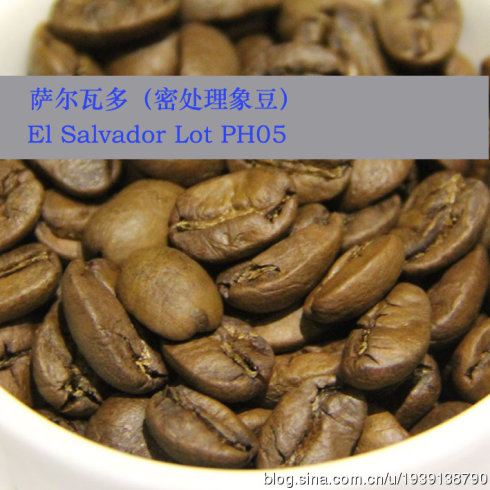
Analysis of Coffee Beans: Introduction to Flavor Analysis and Roast Degree Analysis of Salvadoran Coffee Beans
El Salvador Coffee El Salvador is one of the small countries in Central America, where coffee is light, aromatic, pure, slightly acidic, and the flavor characteristics are excellent. It has sour, bitter and sweet taste characteristics, and the best baking degree is moderate and deep. In the early 1990s, guerrilla warfare greatly destroyed the country.

Salvadoran coffee producing areas introduce Salvadoran coffee beans
In the early 1990s, guerrilla warfare greatly damaged the country's national economy, reducing coffee production from 3.5 million bags in the early 1970s to 2.5 million bags in 1990-1991. The eastern part of the country was most affected by guerrilla warfare, and many farmers and workers were forced to leave the manor. The shortage of funds has led to a sharp drop in coffee production, from 1200 kg per hectare in the past to no yield per hectare today.

Does Salvadoran coffee taste good? Salvadoran coffee beans taste
Following Cafe Review (official Wechat account vdailycom) found that Beautiful Caf é opened a small shop of Salvadoran coffee flavor: balanced taste and excellent texture suggest roasting method: medium to deep, there are many uses of quality beans: Salvadoran SHB taste characteristics: sour, bitter, sweet mild and moderate. Salvadoran coffee is juxtaposed with Mexico and Guatemala as Asa and wheat

Introduction to the flavor description and taste of fragrant and pure Salvadoran coffee beans
In the early 1990s, guerrilla warfare greatly damaged the country's national economy, reducing coffee production from 3.5 million bags in the early 1970s to 2.5 million bags in 1990-1991. The eastern part of the country was most affected by guerrilla warfare, and many farmers and workers were forced to leave the manor. The shortage of funds has led to a sharp drop in coffee production, from 1200 kg per hectare in the past to today's yield per hectare

Salvadoran coffee producing areas introduce Salvadoran coffee beans
In the early 1990s, guerrilla warfare greatly damaged the country's national economy, reducing coffee production from 3.5 million bags in the early 1970s to 2.5 million bags in 1990-1991. The eastern part of the country was most affected by guerrilla warfare, and many farmers and workers were forced to leave the manor. The shortage of funds has led to a sharp drop in coffee production, from 1200 kg per hectare in the past to no yield per hectare today.

Salvadoran coffee producing areas introduce Salvadoran coffee beans
In the early 1990s, guerrilla warfare greatly damaged the country's national economy, reducing coffee production from 3.5 million bags in the early 1970s to 2.5 million bags in 1990-1991. The eastern part of the country was most affected by guerrilla warfare, and many farmers and workers were forced to leave the manor. The shortage of funds has led to a sharp drop in coffee production, from 1200 kg per hectare in the past to no yield per hectare today.
Salvadoran coffee producing areas introduce Salvadoran coffee beans
In the early 1990s, guerrilla warfare greatly damaged the country's national economy, reducing coffee production from 3.5 million bags in the early 1970s to 2.5 million bags in 1990-1991. The eastern part of the country was most affected by guerrilla warfare, and many farmers and workers were forced to leave the manor. The shortage of funds has led to a sharp drop in coffee production, from 1200 kg per hectare in the past to no yield per hectare today.
Salvadoran coffee producing areas introduce Salvadoran coffee beans
In the early 1990s, guerrilla warfare greatly damaged the country's national economy, reducing coffee production from 3.5 million bags in the early 1970s to 2.5 million bags in 1990-1991. The eastern part of the country was most affected by guerrilla warfare, and many farmers and workers were forced to leave the manor. The shortage of funds has led to a sharp drop in coffee production, from 1200 kg per hectare in the past to no yield per hectare today.

Introduction of El Salvador Coffee Manor with balanced Taste
Flavor: balanced taste, excellent texture suggested baking method: medium to deep, there are many uses of high-quality beans: El SHB taste characteristics: sour, bitter, sweet mild and moderate. Salvadoran coffee ranks side by side with Mexico and Guatemala as the producers of Asa and Merdo, and is fighting for the top one or two places in China and the United States with other countries. The highland of origin is equal in size and size.

Introduction of El Salvador Himalayan Coffee Flavor Manor with excellent texture
Salvadoran coffee ranks side by side with Mexico and Guatemala as the producers of Asa and Merdo, and is fighting for the top one or two places in China and the United States with other countries. The highlands of origin are large coffee beans of all sizes, which are fragrant and mild in taste. Like Guatemala and Costa Rica, coffee in El Salvador is graded according to altitude, and the higher the altitude, the better the coffee

A brief introduction to the flavor and aroma characteristics of Salvadoran coffee, a specialty of Central America
The government finally realized the great role of coffee in the national economy, such as solving employment, earning foreign exchange and developing agriculture, so it privatized some coffee export industries in 1990, hoping to increase the income rate of coffee in the export market. In Cuscacbapa, El Salvador, coffee beans that have been packaged are about to be exported. Coffee from El Salvador
A brief introduction to the market price of pure slightly sour Salvadoran coffee varieties
El Salvador (ElSalvador) is one of the small countries in Central America, where coffee is light, fragrant, pure, slightly sour and characterized by excellent balance of flavor. It is a specialty of Central America. With sour, bitter, sweet and other taste characteristics, the best baking degree is moderate, deep. The origin of coffee in the early 1990s, guerrilla warfare greatly damaged the country's national economy and increased coffee production from 70 years.

Salvadoran Coffee introduction how much Salvadoran coffee is a catty of Salvadoran coffee
In the early 1990s, guerrilla warfare greatly damaged the country's national economy, reducing coffee production from 3.5 million bags in the early 1970s to 2.5 million bags in 1990-1991. The eastern part of the country was most affected by guerrilla warfare, and many farmers and workers were forced to leave the manor. The shortage of funds has led to a sharp drop in coffee production, from 1200 kg per hectare in the past to no yield per hectare today.

A brief introduction to the description of Salvadoran mixed-race Pacamara in coe
Introduction of Salvadoran Coffee Flavor description and Taste processing Variety brief introduction of Salvadoran mixed-race Pacamara in coe, many international cup surveyors were confused and did not know how to grade it. I never expected that this hybrid bean not only broke the existing aroma boundary of coffee, but also expanded the visibility producing country of Salvadoran coffee: El Salvador; garden name: Saint saliva farmer.

Introduction to boutique Salvadoran coffee beans Salvadoran coffee beans Characteristics of Salvadoran coffee beans
In the early 1990s, guerrilla warfare significantly disrupted the country's national economy, reducing coffee production from 3.5 million bags in the early 1970s to 2.5 million bags in 1990- 1991. The eastern part of the country was most affected by guerrilla warfare, and many farmers and workers were forced to leave their estates. The shortage of funds has led to a sharp drop in coffee production, from 1200 kilograms per hectare in the past to less than 1,000 kilograms per hectare today.